

Acne: causes, types and how to reduce it
Acne is one of the most common skin concerns, affecting both teenagers and adults. It develops when pores become clogged with sebum, dead skin cells and bacteria, leading to inflammation and breakouts.
While often linked to adolescence, acne is increasingly common in adults as well, especially hormonal acne, which requires a more targeted approach.
On this page, you’ll find key information, recommended products and routines to help manage acne-prone skin.
Recommended products for acne
For acne-prone skin, choose products that help regulate oil production, reduce inflammation and support the skin barrier.
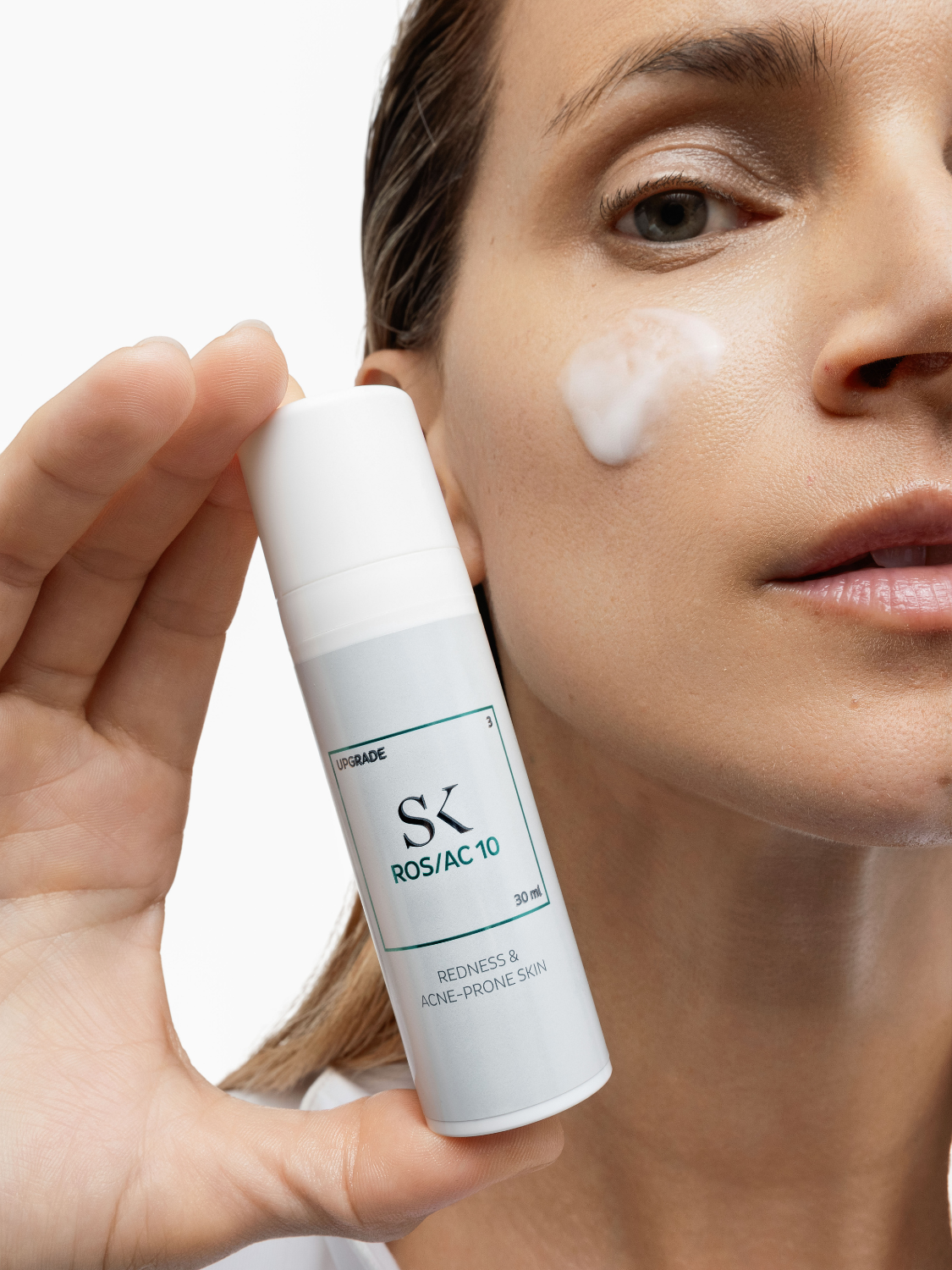

Skintegra ROS/AC 10
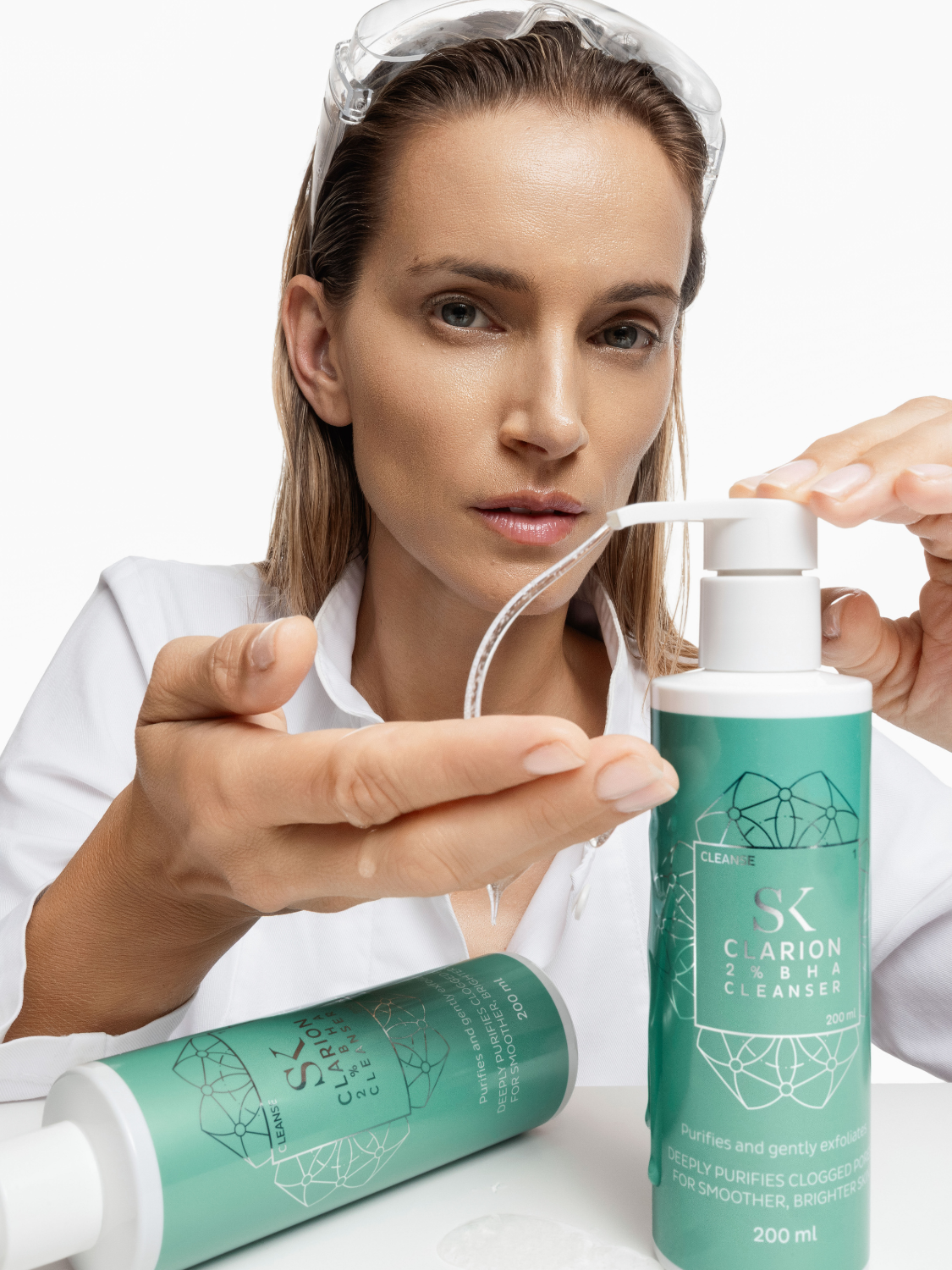
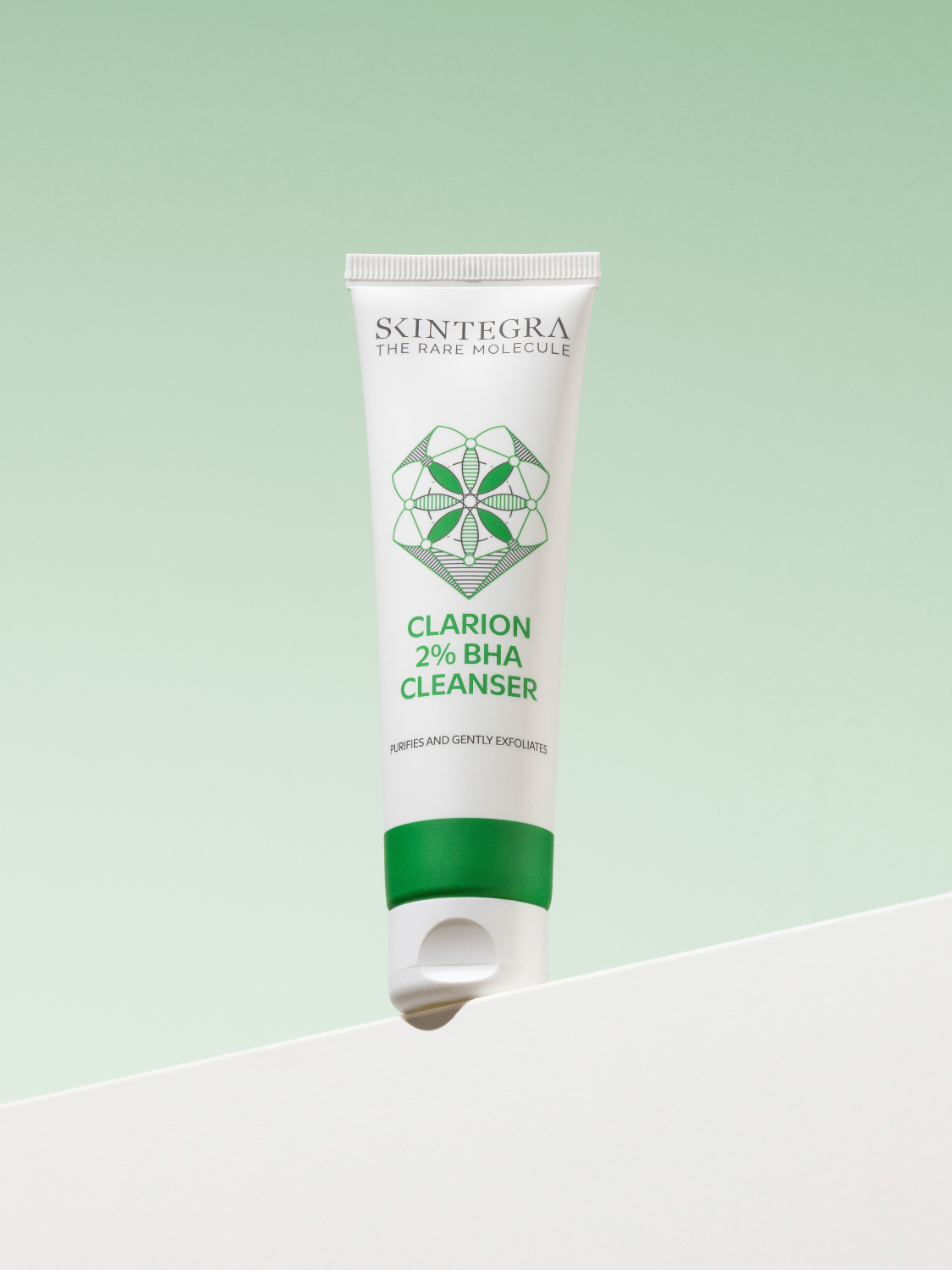
Skintegra Clarion 2% BHA Cleanser
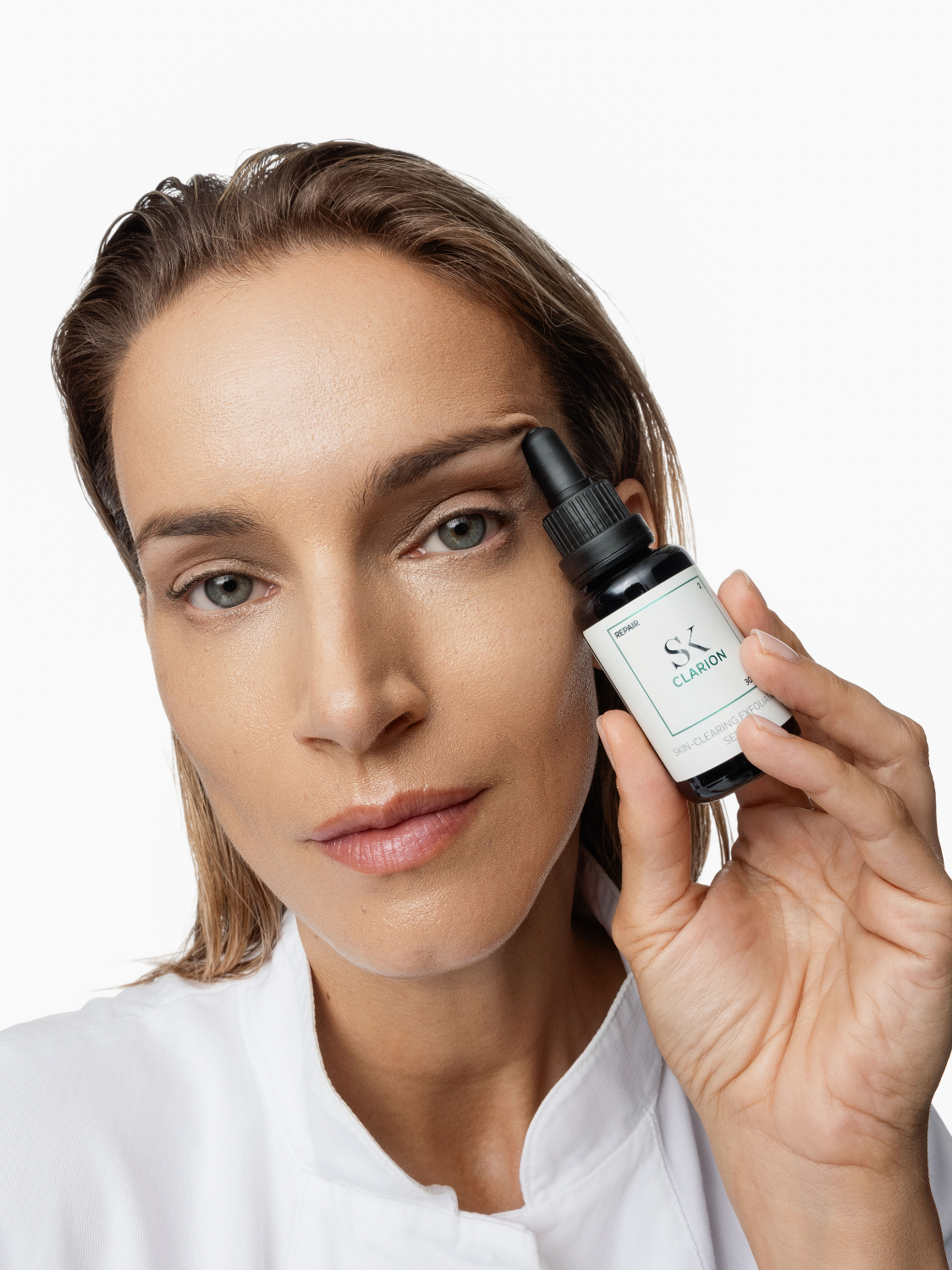
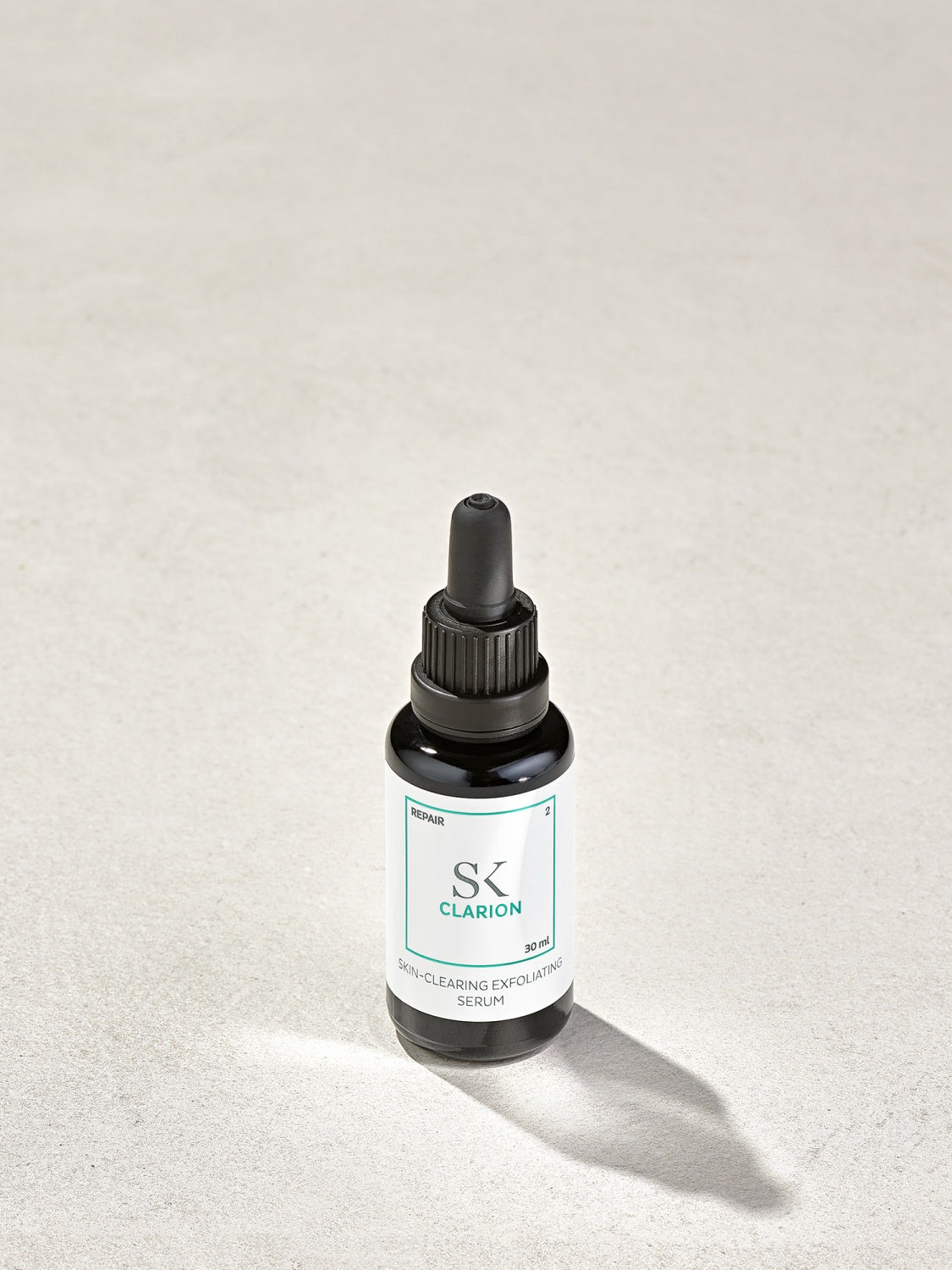
Skintegra Clarion serum
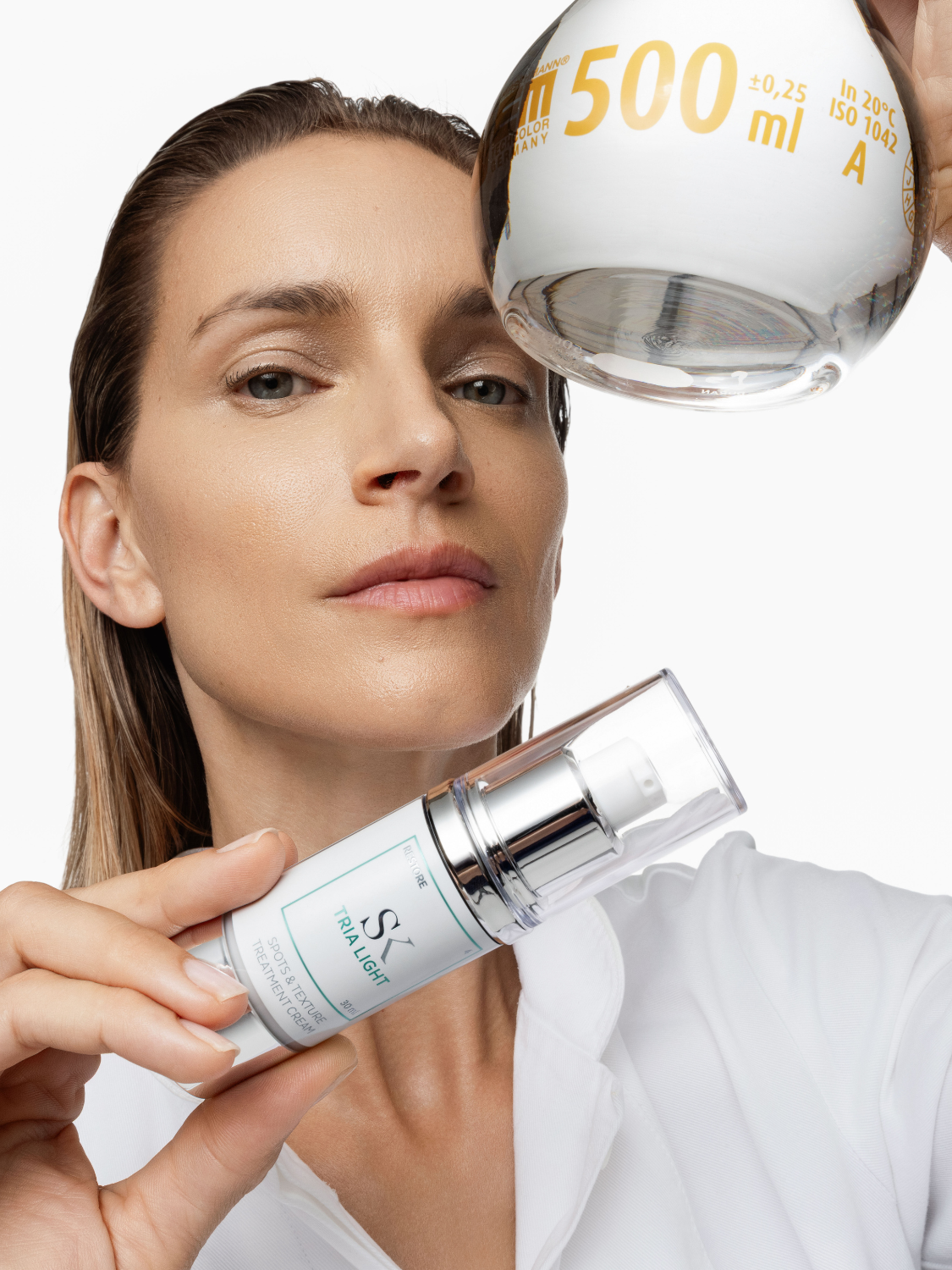

Skintegra Tria Light
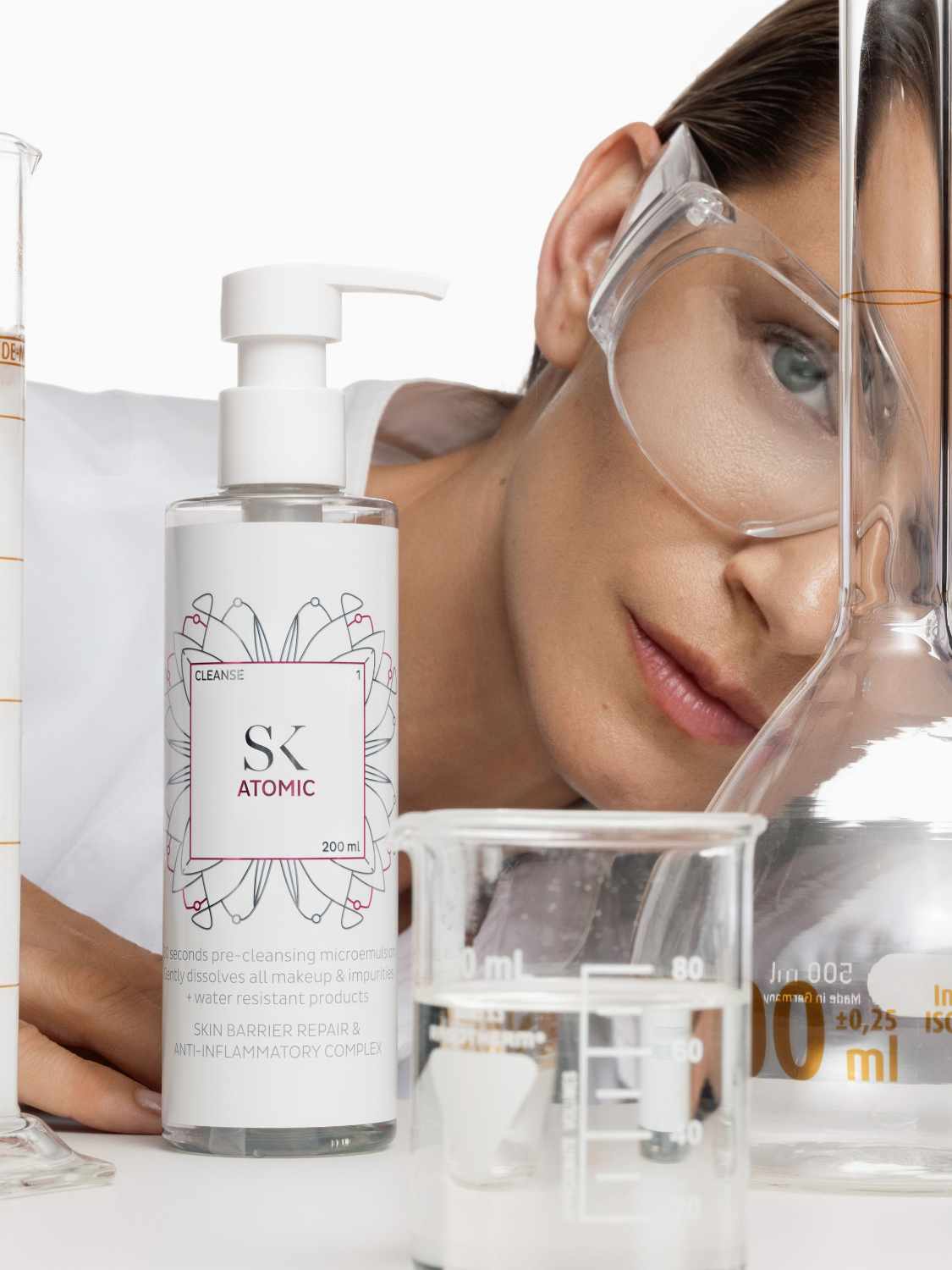
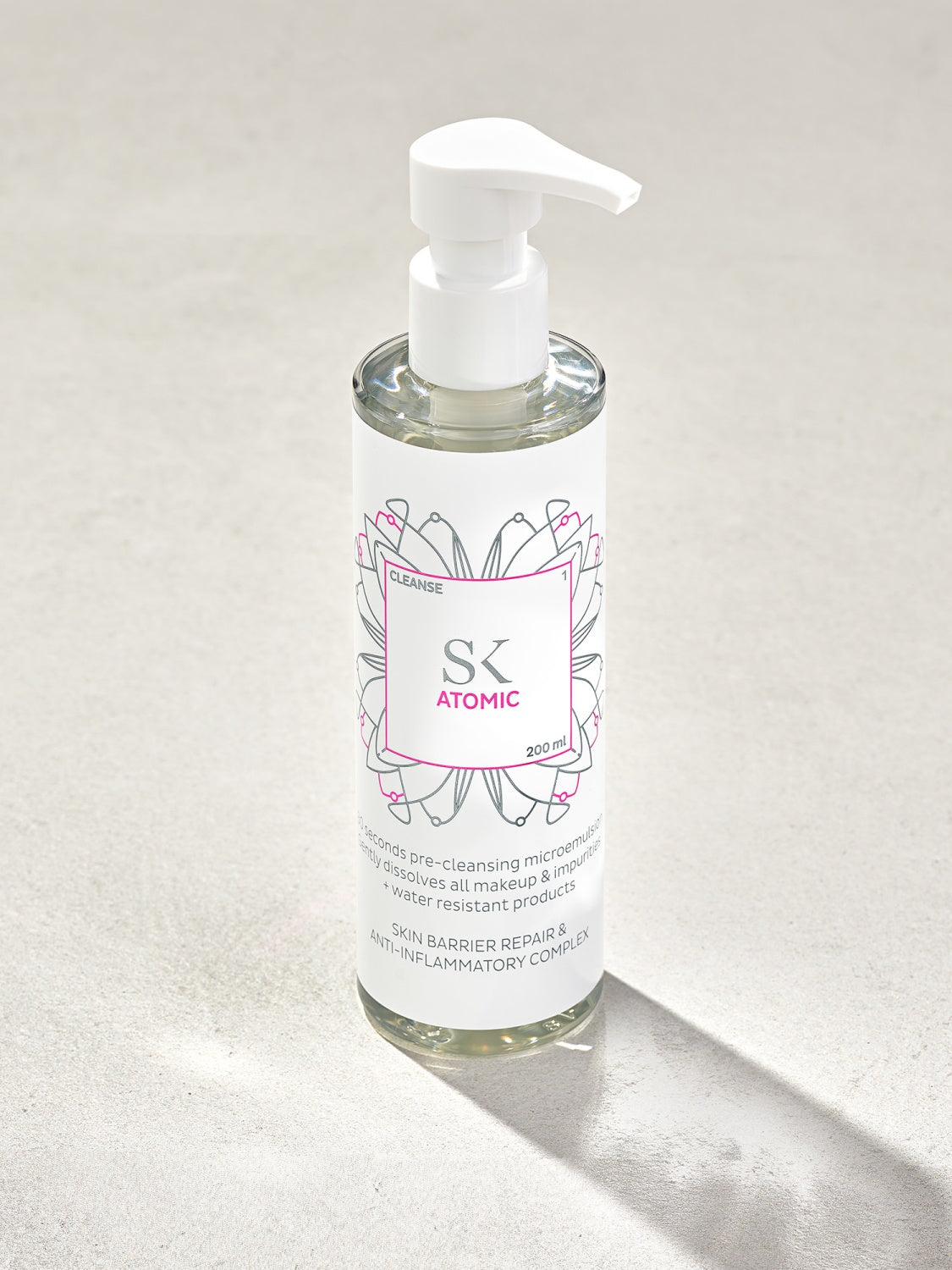
Skintegra Atomic

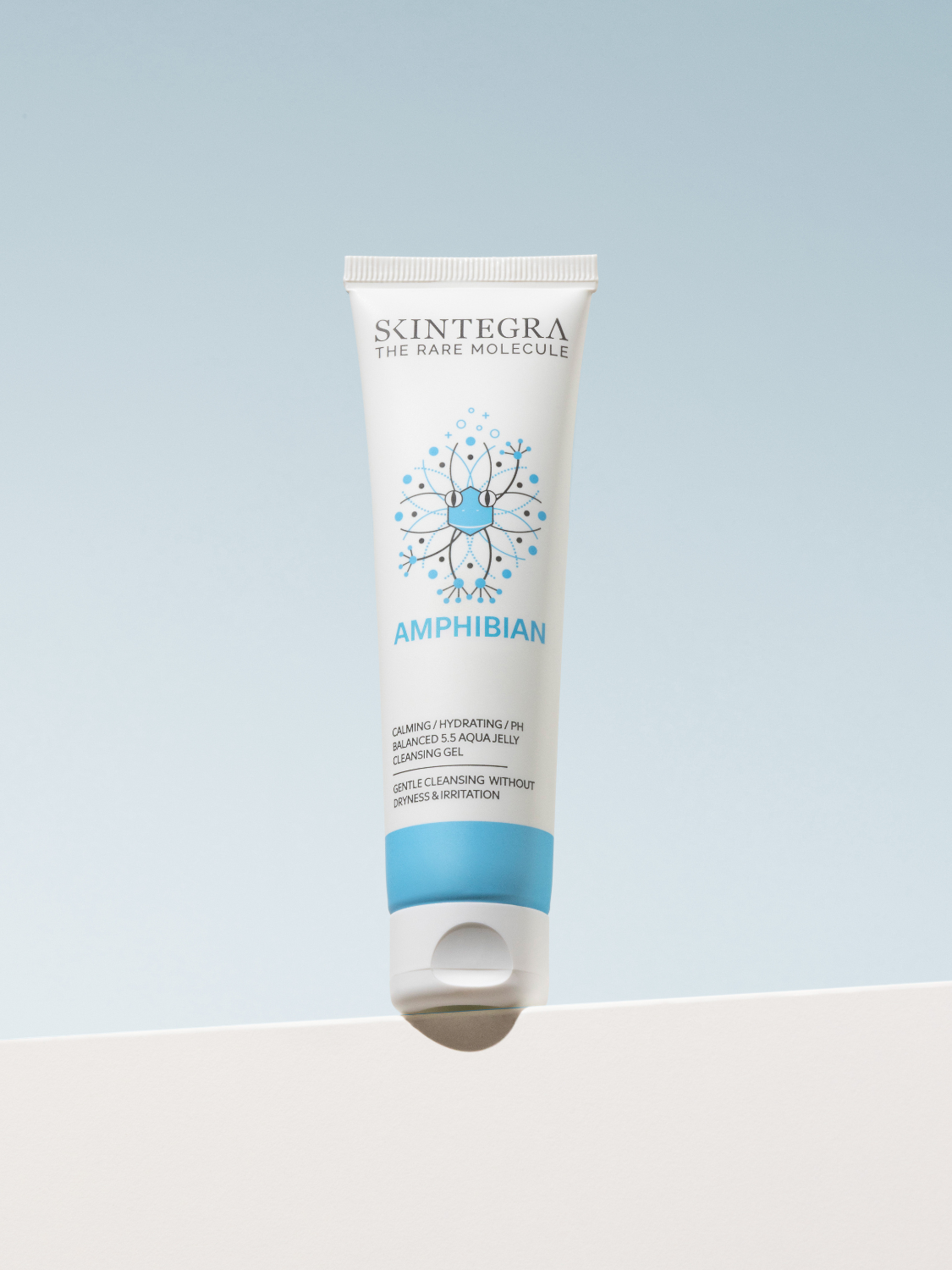
Skintegra Amphibian
Types of acne
There are several types of acne, and each requires a specific approach:

Blackheads (comedones)
Clogged pores that can be open or closed.

Inflammatory acne
Papules and pustules that develop as a result of inflammation.

Hormonal acne
Most commonly appears on the lower part of the face and is associated with hormonal imbalances.

Cystic acne
Deeper, painful lesions that require a careful skincare approach and often dermatological evaluation.
Active ingredients for acne
Certain ingredients play a key role in caring for acne-prone skin:
How to reduce acne?
Reducing acne requires a consistent and well-adjusted skincare approach:
- regular and gentle cleansing
- using suitable active ingredients in intervals and combinations your skin tolerates well
- proper hydration
- avoiding harsh products
- staying consistent with your routine
It’s important to avoid over-drying the skin, as this can make the condition worse.
Routine for acne-prone skin
A proper skincare routine is key to managing acne:
Cleansing
Gentle cleansers that remove excess sebum without drying out the skin.
Active treatments
Serums with BHA, niacinamide, or retinoids.
Hydration
Lightweight, non-comedogenic formulas.
SPF protection
Essential for preventing pigmentation and skin damage.
Skintegra products for acne-prone skin
Skintegra formulations are developed to support skin prone to imperfections by regulating sebum, reducing inflammation, and strengthening the skin barrier.
Skintegra ROS/AC 10
Skintegra Clarion 2% BHA Cleanser
Skintegra Clarion serum
Skintegra Tria Light
Skintegra Atomic
Skintegra Amphibian
Learn more about acne
For a more detailed understanding of the topic, explore the related articles:



Frequently asked questions about acne
What is acne?
Acne is an inflammatory skin condition that occurs when pores become clogged with sebum, bacteria, and dead skin cells.
How can you get rid of acne?
A proper skincare routine, active ingredients, and dermatological treatments can help reduce acne.
Does salicylic acid help with acne?
Yes, salicylic acid helps unclog pores and reduce inflammation.
Can acne appear in adulthood?
Yes, adult and hormonal acne are becoming increasingly common.
Does retinol help with acne?
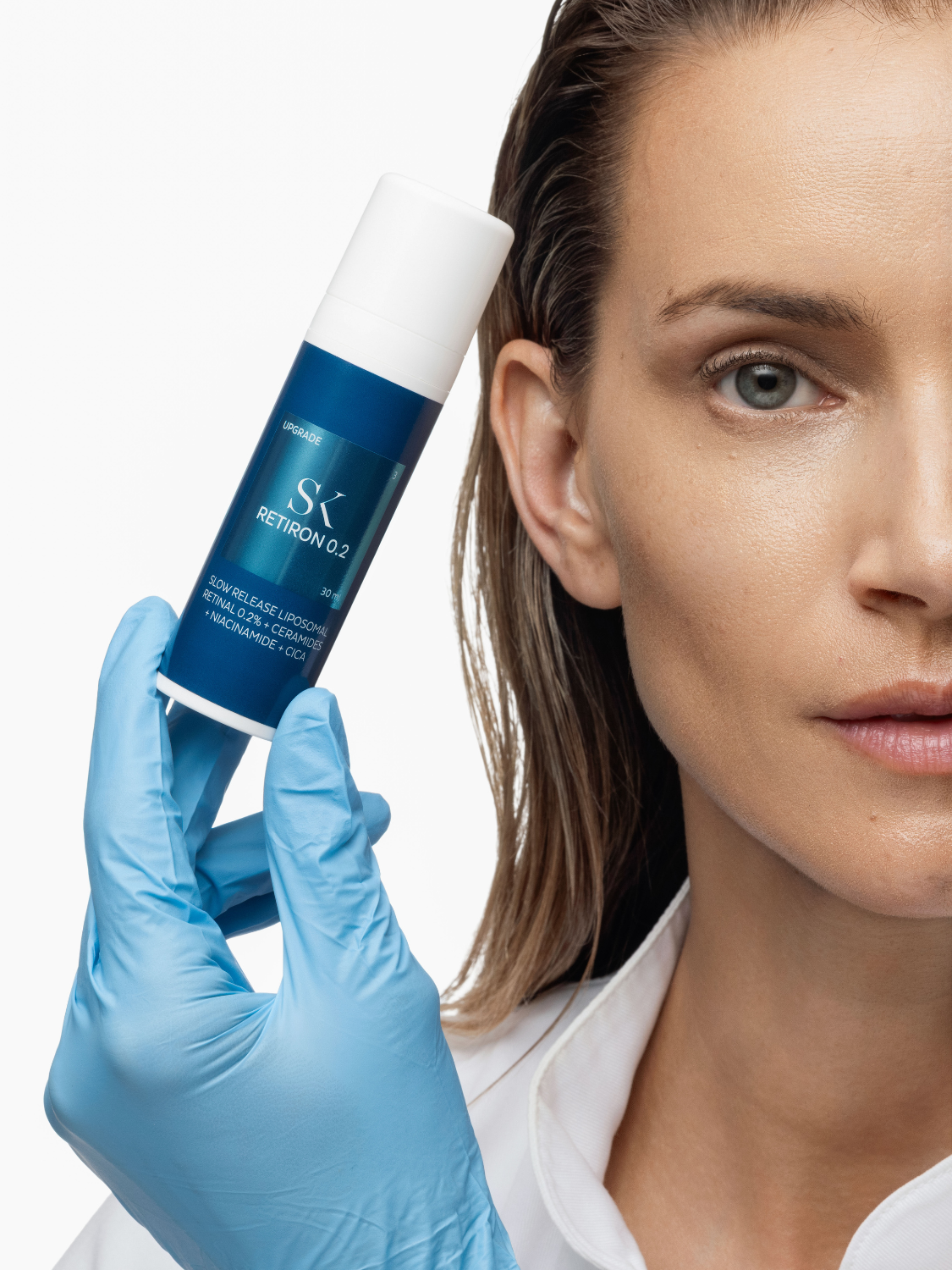
Studies show that retinol is a less suitable retinoid for acne treatment. The gold standard is considered to be adapalene, tretinoin, or retinaldehyde as the only available OTC option.
How long does acne treatment take?
Results depend on skin type and routine, but improvements are usually visible after several weeks of consistent skincare.
Can diet affect acne?
Certain foods, such as those with a high glycemic index or dairy products, may affect acne in some people. It’s important to observe your skin’s individual response.
Should acne-prone skin be moisturized?
Yes. Hydration is essential because dehydrated skin can produce more sebum, which may make acne worse. Lightweight, non-comedogenic formulas are recommended.
Find the ideal routine for your skin
Choosing the right products can be easier with personalized recommendations. Skintegra’s skin analysis helps identify your skin’s needs and suggests a routine tailored to your condition.